Concrete Settling vs Foundation Failure: What Waco Homeowners Need to Know

If you've noticed cracks in your concrete or changes in your Waco home's structure, you're probably wondering whether you're dealing with simple concrete settling vs foundation failure. Recognizing the signs you need foundation leveling & stabilization early can save you thousands of dollars and prevent small problems from becoming major headaches. This distinction matters because it determines whether you need minor repairs or extensive structural work. As local experts serving Central Texas homeowners, we see both conditions regularly—and they require very different solutions. In this guide, we'll help you identify what's happening with your property and explain when professional Foundation Repair in Waco, TX becomes necessary.
What Is the Difference Between Concrete Settling and Foundation Failure?
Concrete settling and foundation failure are related but distinct problems. Concrete settling occurs when the soil beneath a concrete slab compresses or shifts, causing the slab to sink unevenly. This commonly affects driveways, patios, sidewalks, and garage floors. While settling can be concerning, it's often a surface-level issue that doesn't threaten your home's structural integrity.
Foundation failure, on the other hand, involves damage to your home's primary structural support system. This occurs when the foundation itself cracks, shifts, or can no longer bear your home's weight properly. Foundation failure affects the entire structure and can cause cascading damage throughout your home—from walls and ceilings to doors and windows.
In Waco's expansive clay soil environment, both problems share a common cause: soil movement. Our clay-rich soil expands dramatically when wet and shrinks during dry periods. This constant shrink-swell cycle creates the conditions for both concrete settling and foundation failure. However, the severity and implications differ significantly.
Signs You Need Foundation Leveling & Stabilization
Knowing the signs you need foundation leveling & stabilization can help you act before minor issues become major structural problems. Here are the key indicators that your Waco home may require professional foundation services:
Doors and windows that stick or won't close properly: When your foundation shifts, it distorts door and window frames, causing them to bind or leave gaps.
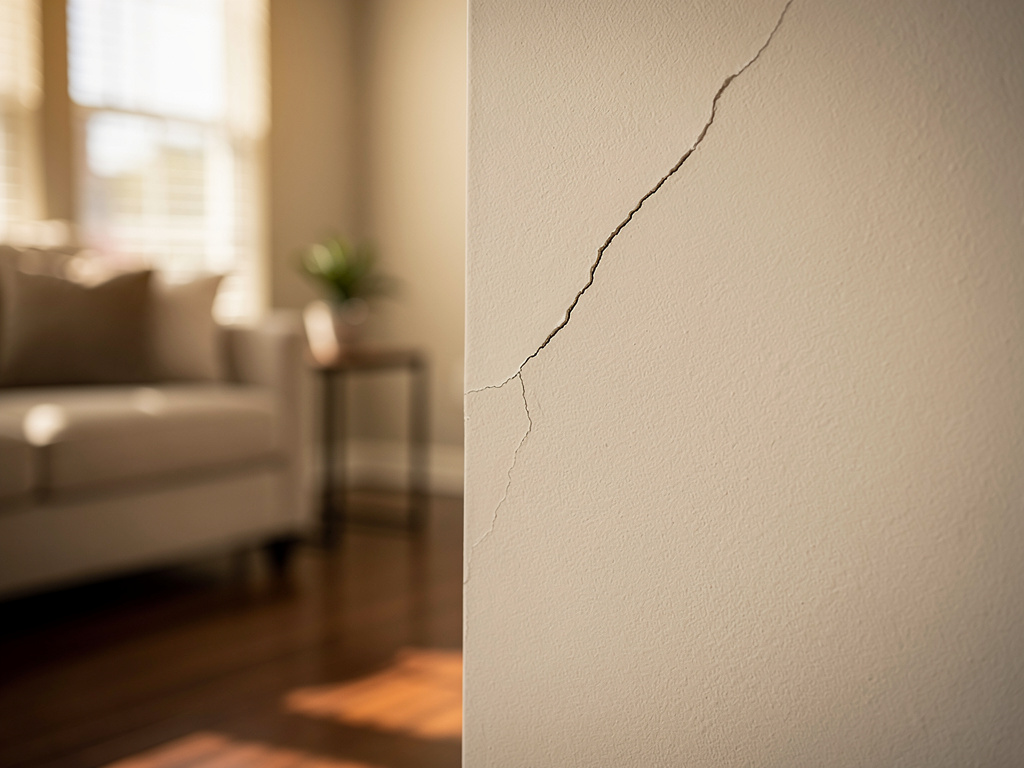
Visible cracks in walls, especially diagonal cracks: Cracks extending from corners of doors and windows toward the ceiling indicate foundation movement that requires stabilization.
Floors that slope or feel uneven: If you notice a distinct tilt when walking through your home or objects rolling across floors, your foundation likely needs leveling.
Gaps between walls and ceiling or floor: Separation at these junctions signals that your home's structure is pulling apart due to foundation settlement.
Cracked or crumbling foundation walls: Horizontal cracks, stair-step patterns in brick, or deteriorating concrete indicate serious foundation stress.
Chimney leaning or separating from the house: Since chimneys have independent footings, their movement often reveals underlying foundation problems.
Basement water intrusion: New moisture problems can indicate foundation cracks or shifting that allows water penetration.
If you observe multiple signs from this list, contact a professional for an assessment. Early intervention through Foundation Leveling & Stabilization in Waco can prevent extensive damage and costly repairs.
How Can You Identify Concrete Settling in Your Waco Home?
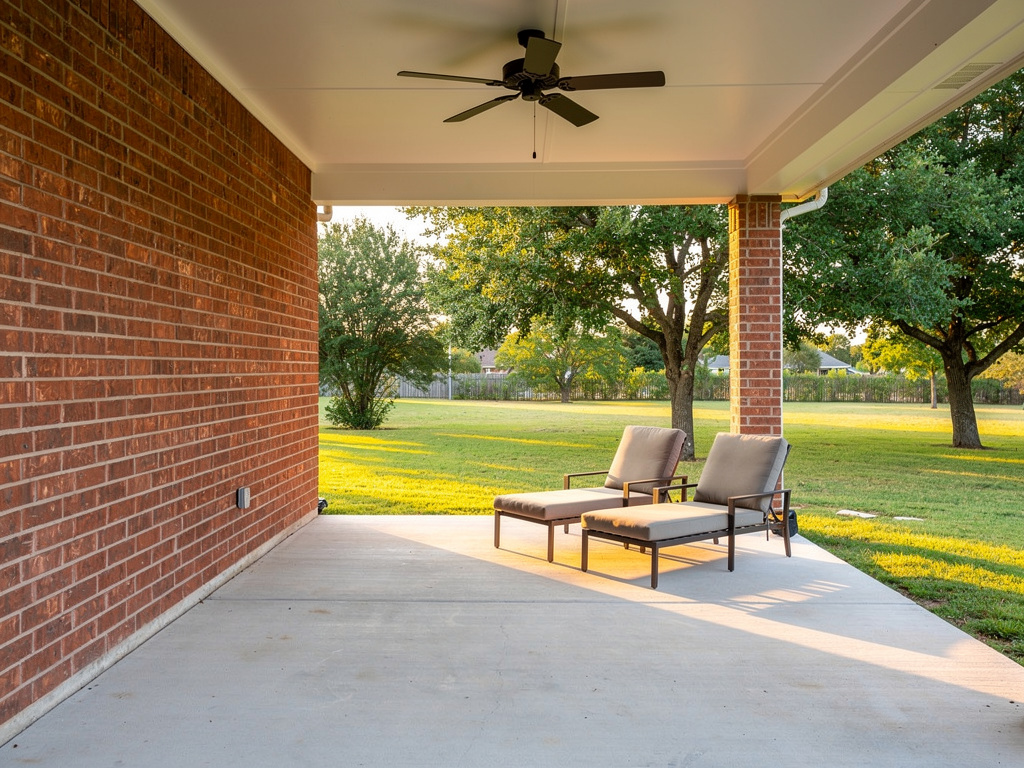
Concrete settling typically presents with specific visual indicators that are relatively easy to spot. Look for these common signs around your property:
Uneven concrete surfaces: Walkways, driveways, or patios that have become uneven or tilted indicate settling. You might notice water pooling in areas where it didn't before.
Gaps between concrete and structures: If you see spaces forming between your driveway and garage floor, or between your porch and front door threshold, settling is likely occurring.
Cracking patterns: Settling typically causes cracks that follow stress patterns in the concrete. These cracks often appear at corners or joints and may create a stepping pattern.
Sunken sections: Individual concrete slabs that have dropped below adjacent sections indicate localized soil compression beneath that area.
The good news about concrete settling is that it's often repairable through Concrete Slab Repair in Waco. Techniques like mudjacking or polyurethane foam injection can lift settled concrete back to its original position without complete replacement.
What Are the Warning Signs of Foundation Failure?
Foundation failure presents more serious symptoms that affect your entire home. According to Foundation Repair Association guidelines, homeowners should watch for these critical warning signs:
Interior wall cracks: Diagonal cracks extending from door or window corners suggest foundation movement. Cracks wider than 1/4 inch warrant immediate attention.
Sticking doors and windows: When foundation movement shifts your home's frame, doors and windows no longer fit properly in their openings. They may stick, fail to latch, or show visible gaps.
Visible foundation cracks: Horizontal cracks in foundation walls indicate serious pressure. Stair-step cracks in brick or block foundations signal structural shifting.
Sloping floors: If you can feel your floors tilting or notice that objects roll across the floor, your foundation may be failing.
Gaps between walls and ceiling: Separation where walls meet ceilings or floors indicates the structure is pulling apart due to foundation movement.
Chimney separation: A chimney pulling away from your home often signals foundation problems, as chimneys have independent footings that move differently than your main foundation.
Why Does Waco's Climate Make These Problems More Common?
Waco's unique combination of expansive clay soil and extreme weather patterns creates ideal conditions for both concrete settling and foundation failure. Our region experiences drought-driven soil shrinkage during hot summers, followed by periods of heavy rain that cause rapid soil expansion.
During Waco's extreme summer heat, clay soil desiccates and shrinks away from foundations, creating voids beneath concrete and foundation footings. When rain finally arrives, the soil expands unevenly, pushing against structures with tremendous force. This cycle repeats year after year, gradually wearing down even well-built foundations.
Poor drainage compounds these problems significantly. Homes with inadequate gutter systems or improper grading allow water to pool near foundations, creating localized areas of soil expansion that push against foundation walls while adjacent dry areas continue shrinking.
How Do Professionals Diagnose and Repair These Issues?
Professional diagnosis begins with a thorough inspection of both your foundation and the surrounding concrete structures. Experienced technicians look for crack patterns, measure floor levelness, check door and window operation, and assess overall structural alignment.
For concrete settling, repair typically involves one of two approaches. Mudjacking pumps a cement-based slurry beneath settled slabs to raise them back to level. Polyurethane foam injection accomplishes the same goal with lighter, more stable material that cures quickly.
Foundation failure requires more extensive intervention. Foundation Leveling & Stabilization in Waco typically involves installing steel piers or helical piers that extend down to stable soil layers beneath the problematic clay. These piers transfer your home's weight to bedrock or stable strata, then hydraulic equipment gradually lifts the foundation back toward level.
The repair method depends on your specific situation, soil conditions, and the extent of damage. A proper assessment considers all factors before recommending solutions.
Why Choose a Local Foundation Repair Expert in Waco?
Local expertise matters significantly when dealing with foundation and concrete issues in Central Texas. Contractors unfamiliar with Waco's specific soil conditions may misdiagnose problems or recommend inappropriate solutions.
Local experts understand that our expansive clay behaves differently than soil in other regions. They know which neighborhoods sit on particularly troublesome soil, which construction eras produced the most vulnerable foundations, and how seasonal patterns affect repair timing.
With years of experience serving Waco homeowners, local professionals have developed proven approaches tailored to our unique conditions. They can often identify the root cause of problems faster because they've seen similar situations throughout the community. Many also offer warranties on their work, providing long-term peace of mind.
Frequently Asked Questions About Foundation Repair in Waco
Can concrete settling eventually lead to foundation failure?
Yes, in some cases concrete settling near your foundation can contribute to foundation problems. When driveways or patios settle away from your home, they can redirect water toward the foundation and accelerate soil erosion. Addressing settling promptly helps prevent this progression and protects your foundation long-term.
How quickly should I address foundation warning signs?
Foundation problems rarely improve on their own and typically worsen over time. Early intervention usually means simpler, less expensive repairs. If you notice warning signs like wall cracks or sticking doors, schedule an inspection within a few weeks rather than waiting months to see what happens.
Will foundation repair disrupt my daily life significantly?
Most foundation repairs allow you to remain in your home throughout the process. Pier installation typically takes a few days, and while there will be noise and activity around your property, interior disruption is usually minimal. Your contractor should explain the timeline and any temporary inconveniences before work begins.
Does homeowner's insurance cover foundation failure repairs?
Standard homeowner's insurance policies typically exclude foundation damage caused by normal settling or soil movement. However, if foundation damage results from a covered event like a plumbing leak, coverage may apply. Review your policy carefully and consider consulting your insurance agent about your specific situation.
How can I prevent future foundation problems after repairs?
Maintaining consistent soil moisture around your foundation helps prevent future issues. Install proper drainage systems, extend downspouts away from your home, and consider soaker hoses during drought periods. Avoid planting large trees near your foundation, as